
Tree Removal
Controlled removal of dead, damaged or hazardous trees, including large and tight-access jobs. We rig limbs down in sections to protect nearby structures and clean up when the work is done.
Learn More
24/7 Emergency Tree Service
Top Notch Trees is a family-owned, licensed, bonded and insured tree service serving Grand Junction and the Grand Valley. From routine trimming to large removals and 24/7 emergencies, our ISA Certified Arborist knowledge guides every job.
Tree service in Grand Junction, CO can mean routine clearance pruning one day and a hazardous removal the next. We help property owners choose the right service by looking at tree condition, access, nearby structures and the space available to bring material down.
Routine maintenance usually focuses on clearance, structure and long-term health. Hazard-driven work starts with risk: broken limbs, dead trees, storm damage, heavy lean or a trunk that may affect a home, fence, driveway or business entrance. These services cover the most common starting points.
Controlled removal of dead, damaged or hazardous trees, including large and tight-access jobs. We rig limbs down in sections to protect nearby structures and clean up when the work is done.
Learn More
Trimming to clear structures, driveways and sightlines while keeping trees balanced. Good for overgrown canopies, low limbs and general upkeep.
Learn More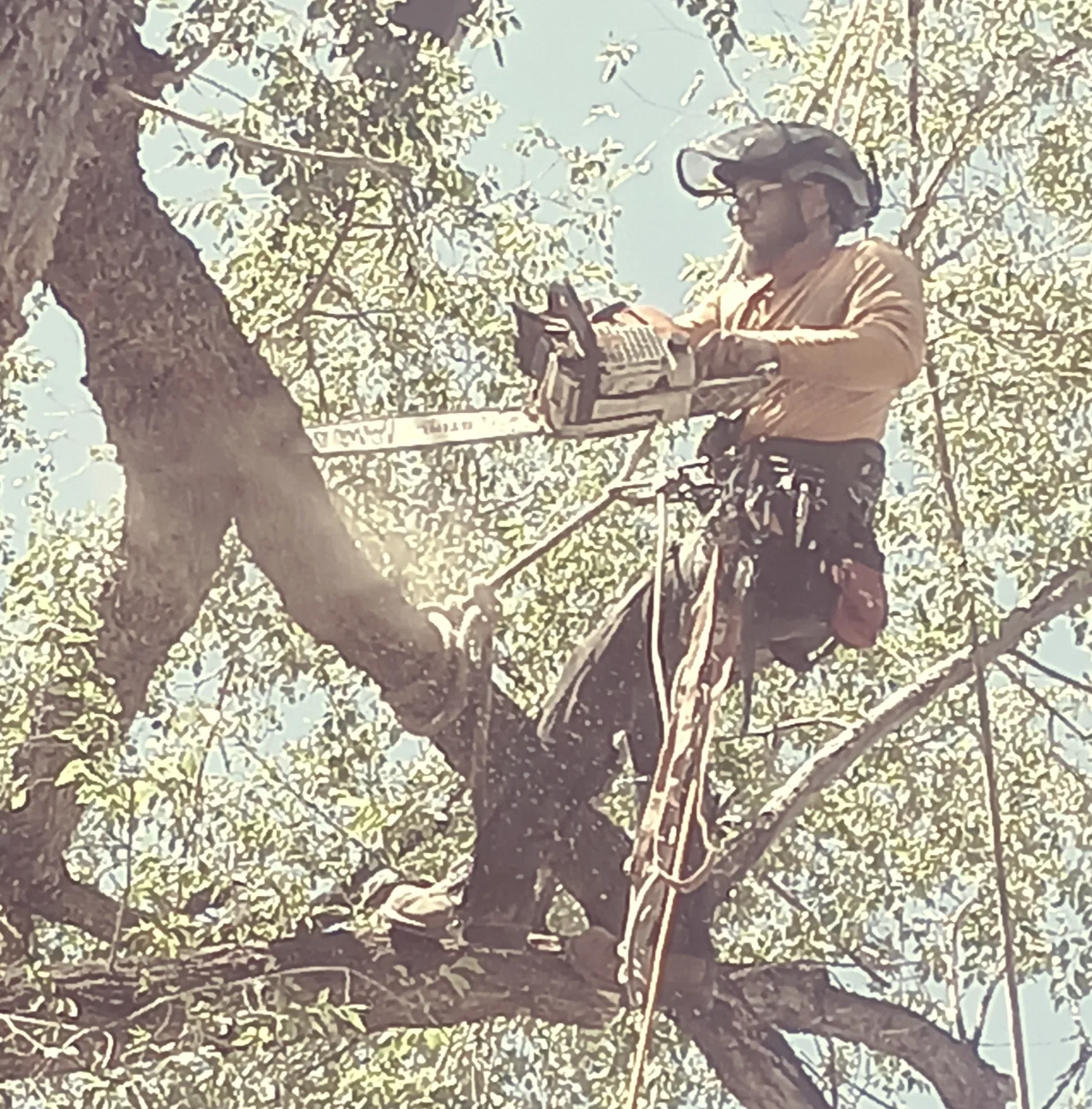
Arborist-informed pruning that supports long-term tree health. We make proper cuts for structure, deadwood and young-tree development instead of topping.
Learn More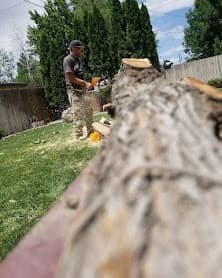
Grinding stumps below grade to reclaim usable space and clean up the yard. A faster, lower-impact option than full excavation.
Learn More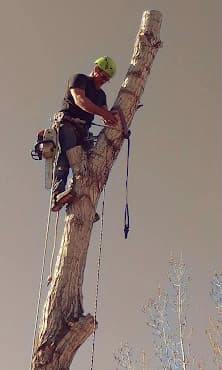
24/7 response for fallen trees, split trunks, hanging limbs and storm damage that threatens people or property.
Learn More
Defensible-space work, ladder-fuel reduction and brush clearing to lower wildfire risk around Grand Valley properties.
Learn MoreTop Notch Trees is local to Grand Junction and serves properties throughout the Grand Valley. The work can range from trimming a canopy away from a roof to removing a damaged tree from a tight residential space. Before scheduling tree work, the important questions are practical: what condition is the tree in, what is below it, how can crews reach it and where can limbs or trunk sections be controlled?
Access affects the plan as much as tree size. A tree with open space around it may be handled differently than a tree boxed in by fences, sheds, patios or parking areas. Slope, soft ground, gates, overhead conflicts and a limited drop zone can all change how a job is approached. That is why a useful estimate starts with details about the tree and the property, not only the height of the canopy.
If you are requesting an estimate, share the address or general location, the tree's condition, what the tree is near and whether the work is planned or urgent. Photos can help start the conversation, but some jobs require a closer look before a reliable scope can be discussed. Free estimates are available across Grand Junction, Fruita, Palisade, Loma, Mack, Clifton, Orchard Mesa, Redlands and Fruitvale.
High-risk tree removal is not defined by height alone. The concern may be a dead tree near a house, a broken limb over a driveway, a trunk leaning toward a fence or a canopy with very little open drop zone. In those situations, the removal plan has to control where material goes and how the property is protected.
Controlled rigging may be used when limbs or trunk sections cannot be dropped freely. Ropes, lowering points and sectional tree cutting can help manage pieces near homes, outbuildings, landscape features or other obstacles. Not every removal requires the same method. The best approach depends on access, tree condition, working room and what the tree could strike if handled poorly.
Planned removal and emergency removal also have different priorities. Planned work allows more time to discuss access and cleanup. Emergency work focuses first on urgent hazards such as storm damage, blocked access or unstable material. If electrical infrastructure is involved, contact the utility provider first and keep people away from the area.
Tree work is skilled labor with real property risk. A good plan accounts for the tree, the site and the work area before saws start. Property owners choose Top Notch Trees because the company combines local service, verified credentials and practical communication.

An ISA Certified Arborist can provide useful guidance when the right answer is not obvious. A tree may have deadwood, weak structure, storm damage, decay indicators or a location conflict that needs more than a quick trim.
A risk assessment considers visible defects, likely targets and whether pruning, monitoring or removal should be discussed.
Learn morePruning recommendations focus on structure, deadwood, clearance and how the tree may respond after cuts are made.
Learn moreSome trees are worth preserving with careful work. Others may be too damaged or poorly placed to manage safely.
Learn more24/7 emergency tree service is available for urgent tree hazards in Grand Junction and nearby Grand Valley communities. Availability does not guarantee a specific arrival time because conditions and hazards vary.
Emergency calls often involve storm-damaged trees, broken limbs, failed trunks or trees blocking important access. The first step is to keep people away from unstable material. Suspended limbs and cracked trunks can shift without warning, especially after wind or heavy weather.
When you call, describe what happened, where the tree is located, what it is touching and whether any structures, vehicles or access points are affected. Photos from a safe distance can help with the first conversation. If electrical infrastructure is involved, contact the utility provider before tree work is attempted.
Fire mitigation is practical vegetation management. It may include removing dead limbs, reducing brush, cutting small volunteer growth, clearing ladder fuels or opening access around selected parts of a property. It does not make a property fireproof, but it can reduce obvious fuel buildup and make ongoing maintenance easier.
Brush reduction is common on rural parcels, larger residential lots and properties near dry open ground. The scope should be clear before work begins: which areas are being cleared, how material will be handled and what features need to be protected. The goal is useful property maintenance without inventing a guarantee that tree work cannot provide.
See how fuel reduction, deadwood removal and brush clearing can be scoped for Grand Valley properties.
View serviceTop Notch Trees serves homeowners, businesses, HOAs, property managers and landowners. Residential work often focuses on roofs, fences, yards, patios and daily-use areas. Commercial work may involve parking areas, storefronts, tenant access, maintenance schedules and debris control.
The same tree can create different concerns depending on the property. A low limb over a private driveway may be a routine trimming request. A similar limb over a business entrance may affect customer access. During the estimate conversation, explain how the space is used so the work plan fits the property.
Tree work is planned around the site. A job may require climbing, rigging, sectional cutting, ground crew support or equipment access, but no single tool is used on every project. The right method depends on tree condition, available space, slope, overhead conflicts and the route for moving debris.
Customers can help by sharing gate widths, parking limitations, soft ground concerns, irrigation features, pets, locked access points and areas that should not be used for staging. These details help the company plan safer work and clearer debris handling.
Based in Grand Junction, CO, we provide tree trimming service throughout Grand Junction and nearby Grand Valley communities. If you are outside town, select your community or contact us to ask about availability.
Tree work is easier to plan when both sides understand the scope, site conditions and how limbs, logs and debris will be handled.
Call or send a request through the form. Share the tree location, visible condition, nearby structures and whether the request is planned or urgent.
The company reviews tree condition, access, drop zone, cleanup needs and the safest way to approach the work before scheduling.
The work is performed according to the agreed scope, with attention to property protection, debris handling and cleanup.
Answers to the questions we hear most from Grand Valley property owners.
The blog covers warning signs for removal, trimming and pruning decisions, storm damage, stump options, fire mitigation and seasonal tree-care planning for Grand Valley properties.
Not every struggling tree needs to come down, but some warning signs point to real risk. Here are seven things to watch for.
Tree CareThe terms overlap in everyday use, but the goals are different. Understanding the distinction helps you ask for the right work.
EmergencyAfter a storm, the first priority is safety. Here is a calm, step-by-step way to handle a damaged tree without making things worse.
Tell us what is going on with your trees and we will set up a free estimate. For an active hazard, call and we will talk through next steps right away.